The 2026 Housing Market Reality Check: What Buyers and Sellers Need to Know Right Now

If the housing market feels like it’s been “almost normal” for about three years… you’re not imagining it. We’re in a market where rates aren’t low, inventory is still tight, and good homes still sell—but only when the strategy matches today’s reality.
Let’s break down what’s happening (with current numbers) and what it means if you’re buying, selling, or investing in 2026.
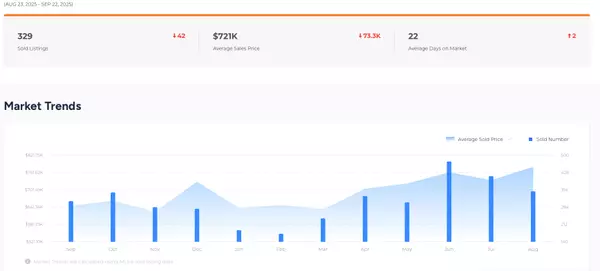
Where the market is right now (the numbers that actually matter)
Mortgage rates: Freddie Mac’s weekly survey shows the 30-year fixed rate averaged 6.09% as of February 12, 2026.
That’s not “cheap money,” but it’s meaningfully below where we were a year earlier in that same report.
Home sales pace: The National Association of REALTORS® reported January 2026 existing-home sales at a seasonally adjusted annual rate of 3.91 million, down month-over-month.
Inventory: National inventory was about 1.22 million homes, equating to 3.7 months of supply—still under what many consider a balanced market.
Translation: buyers have more time than the frenzy years, but sellers still don’t have endless competition. Strategy wins.
If you’re selling in 2026: the market rewards precision, not hope
1) Pricing is the new marketing
In a tight-inventory market, sellers sometimes assume “someone will overpay.”
Sometimes… sure. But in 2026, buyers are payment-sensitive. If your price is even slightly ahead of the market, the listing can go stale and you end up negotiating from weakness.
Winning move: price based on today’s comparable sales + current buyer payment reality, then market aggressively in the first 7–10 days when attention is highest.
2) Presentation isn’t optional anymore
Buyers are deciding fast. (Their thumbs decide before their feet do.)
The homes pulling strong offers are the ones that:
-
show clean and bright in photos
-
feel maintained
-
and don’t give off “project house” energy unless they’re priced for it
Winning move: focus on the small ROI upgrades (paint touch-ups, lighting, deep clean, minor repairs), and make the photography/storytelling match the price point.
3) Negotiation leverage is earned upfront
The best negotiation position is created before the first showing:
-
correct price
-
strong first impression
-
high-intent buyer funnel (proper launch + distribution)
That’s how you reduce concessions and keep inspection negotiations from turning into a “repair shopping spree.”
If you’re buying in 2026: you don’t need to rush, but you do need a plan
1) Rates matter—but so does strategy
With rates around the low-6% range nationally (per Freddie Mac), many buyers feel stuck.
But the strongest buyers right now are doing one of three things:
-
negotiating price/credits more intelligently
-
using structured rate buydowns when it makes sense
-
targeting homes where competition is lower (layout, timing, cosmetics—without structural risk)
2) Inventory is still tight, so “perfect” is rare
At 3.7 months of supply, nationally we’re still below a fully balanced market.
So if you wait for a unicorn listing at a bargain price, you may end up renting longer than you planned.
Winning move: define your non-negotiables, then move quickly when those are met—even if the countertops aren’t your soulmate.
3) The best leverage shows up where the listing is misaligned
Not every listing is priced right. Not every seller is positioned well. That’s where buyers can win.
I help buyers look for:
-
overpriced listings that sit and become negotiable
-
homes with cosmetic issues (but good bones)
-
listings with weak marketing (bad photos = opportunity)
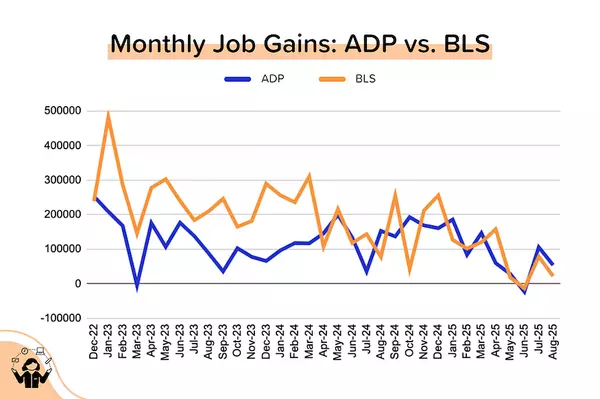
If you’re an investor: watch supply signals and local job strength
New construction is still constrained
Housing supply doesn’t fix itself overnight. New Residential Construction data releases and related reporting have continued to highlight push-pull conditions (permits, starts, affordability pressures).
Why this matters: when supply growth is limited, rents and prices can stay supported—especially in submarkets with steady household formation and jobs.
Don’t invest nationally—invest locally
National stats set the weather. Local demand sets the temperature in your neighborhood.
If you’re investing in Chester County / SEPA, your best edge comes from:
-
micro-market data (zip/township-level absorption, DOM, price reductions)
-
school district demand patterns
-
commute corridors and employer stability
-
rental demand vs affordability gap
The simple playbook for 2026
For sellers:
✅ Price with precision → present like a pro → launch hard early.
For buyers:
✅ Get clear on needs → stay payment-smart → strike when value shows up.
For investors:
✅ Follow local demand and supply constraints → buy with margin → underwrite conservatively.
Want a hyper-local version for your town?
If you tell me the primary area you want this blog to target (ex: Downingtown, West Chester, Exton, Coatesville, Kennett, etc.), I’ll tailor the article with:
-
local median price trends and DOM
-
local inventory levels
-
“what this means” bullets for buyers and sellers in that exact market
And if you paste the ListReports talking points text from your link, I’ll seamlessly integrate them so the blog matches the shareable exactly.
Categories
Recent Posts