Housing Market Update: Mortgage Rates, Fed Outlook, and Home Prices in April 2026
The April 2026 housing market is opening with a mixed message. Mortgage rates have eased from their late-March peak, but they remain elevated. The Federal Reserve is still in a cautious holding pattern, the labor market looks steady but not especially strong, and home prices nationally are still showing resilience.
For buyers, that means affordability remains tight. For sellers, it means demand has not vanished, but pricing and presentation matter more than ever. And for anyone watching the broader market, this is a season shaped less by momentum and more by discipline.
Mortgage Rates Are Off Their Recent Highs, but Still Elevated
Freddie Mac reported the average 30-year fixed mortgage rate at 6.46% for the week of April 2, 2026, up from 6.38% the week prior. That means the spring market is still operating in a higher-rate environment, even with a bit of recent relief. Freddie Mac also noted that the 30-year fixed “edged up” this week as homebuying season gets underway. Source
This remains one of the biggest storylines in housing right now. Even small rate changes can shift monthly payments enough to affect buyer behavior, especially for first-time buyers and payment-sensitive households. In other words, the market is not just watching rates — it is feeling them.

Average 30-year mortgage rates remain in the mid-6% range, keeping pressure on affordability for many buyers. Source
The Fed Is Holding Steady
At its March 18, 2026 meeting, the Federal Reserve decided to maintain the target range for the federal funds rate at 3.50% to 3.75%. In its statement, the Committee said it would “carefully assess incoming data, the evolving outlook, and the balance of risks” when considering future changes. Source
That matters because the housing market is still looking for a clearer signal on borrowing costs. A hold is certainly better than a surprise hike, but it is not the same thing as meaningful relief. For now, “wait and see” remains the Fed’s posture — and the housing market is still waiting for the kind of shift that would materially improve affordability.
The Labor Market Is Still Standing, but Not Sprinting
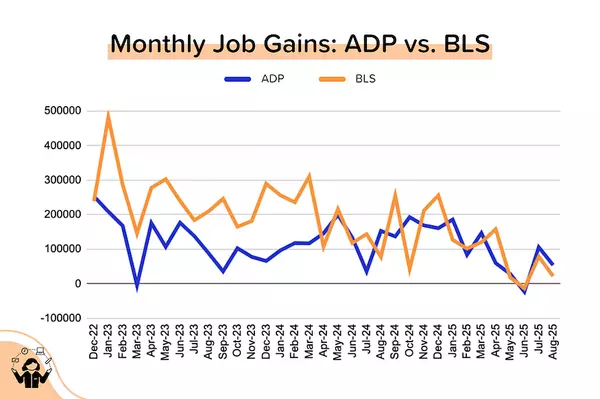
The Bureau of Labor Statistics reported that total nonfarm payroll employment increased by 178,000 in March, while the unemployment rate changed little at 4.3%. Job gains were concentrated in health care, construction, and transportation and warehousing, while federal government employment continued to decline. Source
For housing, that creates a cautious backdrop. The labor market is not flashing broad recession signals, but it also is not delivering the kind of strong, confidence-boosting growth that typically lifts housing demand more broadly. Stable is good. Spectacular has apparently taken the quarter off.

March jobs data points to a labor market that is stable, but not accelerating. Source
Hiring Activity Still Looks Cautious
The latest JOLTS report showed 6.882 million job openings in February, while hires fell to 4.8 million and total separations were 5.0 million. Quits remained low, reinforcing the same theme we have seen for months: businesses are not hiring aggressively, and workers are not leaving confidently. Source
A cautious labor market tends to create cautious consumers — and cautious consumers rarely rush into a home purchase with a 6%+ mortgage rate.

Consumer Confidence Has Softened
The University of Michigan’s Index of Consumer Sentiment fell to 53.3 in March 2026, down from 56.6 in February 2026. The report also showed the Index of Consumer Expectations falling to 51.7 from 56.6 the month before. Source
That matters because homebuying is not only a financial decision. It is also a confidence decision. When households feel uncertain about the economy, they tend to delay, negotiate harder, or sit on the sidelines longer.
Existing-Home Sales Show Demand Is Still There
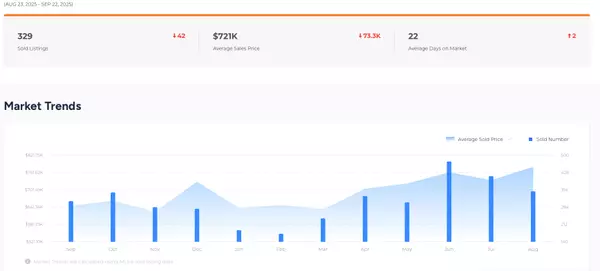
According to the National Association of REALTORS®, February 2026 brought 4.09 million in existing-home sales, a median sales price of $398,000, and 3.8 months of inventory. Source
That is an important reminder: the market is not frozen. Buyers are still moving, homes are still selling, and pricing remains firm in many areas. But today’s environment rewards realistic expectations. Sellers who price and present strategically still have opportunities. Buyers who are prepared and focused still have leverage when they act decisively.
Home Prices Are Still Holding Up
The S&P CoreLogic Case-Shiller U.S. National Home Price Index stood at 326.612 in January 2026, according to FRED’s reporting of the series. Source
While market conditions have become more rate-sensitive, this data suggests national pricing has remained resilient. That helps explain why many sellers remain confident, even while buyers continue to wrestle with high monthly payments.

National home prices remain relatively firm, even as affordability pressures continue to shape demand. Source
What This Means for Buyers and Sellers
For buyers
Preparation matters more than prediction. Rates are still elevated, competition has not disappeared, and affordability remains a challenge. Buyers who understand their budget, financing options, and target neighborhoods are in the strongest position to move when the right opportunity appears.
For sellers
This is still a market where well-prepared homes can perform, but pricing strategy matters. Buyers are more selective, more payment-conscious, and less forgiving when a home misses the mark on condition or value.
Bottom line
The April 2026 housing market is not stalled, and it is not surging. It is steady, selective, and shaped by borrowing costs. Mortgage rates remain elevated, the Fed is holding steady, labor data is stable but not booming, and home prices are still showing resilience. That makes this a market where strategy matters more than hype. Source
Sources
Freddie Mac Primary Mortgage Market Survey
Federal Reserve FOMC Statement — March 18, 2026
BLS Employment Situation — March 2026
University of Michigan Surveys of Consumers
National Association of REALTORS® Existing-Home Sales
FRED — S&P CoreLogic Case-Shiller U.S. National Home Price Index
Categories
Recent Posts